

Pelvic floor
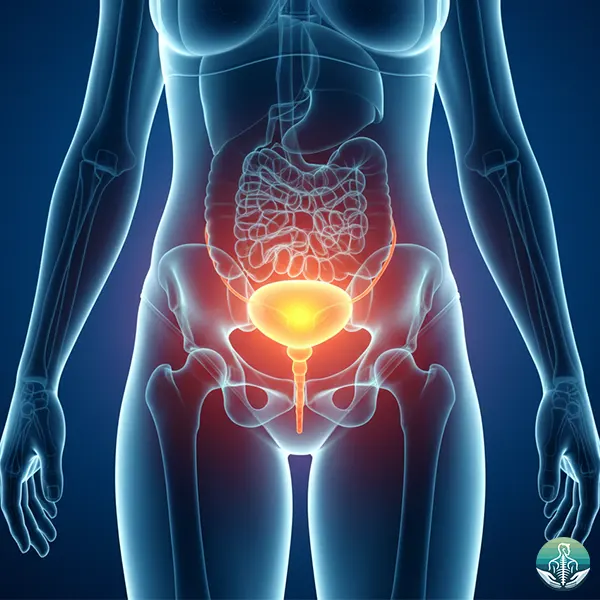
What is incontinence?
It is an involuntary leak, and it may be:
- Stress incontinence : when coughing/laughing/sneezing/exercising
- Urge incontinence : A sudden, strong urge and difficulty delaying going to the bathroom.
- Or a mixture of the two types
The cause is often related to weakness or imbalance of the pelvic floor muscles or some medical factors that need to be monitored.
When is physical therapy beneficial?
Leakage when moving, coughing, or laughing
Frequent and annoying bathroom visits
Difficulty controlling sudden urges
Symptoms after childbirth or with weak abdominal/pelvic muscles
Impact on sleep or leaving the house
No improvement over time or recurrence of the problem
Important note: If there is severe pain during urination, blood in the urine, fever, or symptoms of severe infection—a medical evaluation is recommended first.

Goals of physiotherapy:
- Pelvic floor exercises correctly (depending on the case)
- Breathing and core control exercises to reduce pressure on the pelvis
- Practical guidelines for daily habits and reducing stimuli
- Gradual training to improve control during movement
- A simple and clear exercise program to maintain between sessions
Why is home treatment beneficial?
Because much of the improvement depends on incorporating exercises and habits into your “home routine”:
standing and sitting, holding the baby, moving around the house, and timing your bathroom visits.
At home, we can help you perform the exercises correctly and privately, and tailor the plan to fit your daily life—this increases commitment and leads to better results.
- Complete comfort inside your home
- Faster results due to consistent commitment
- Privacy and comfortable environment
- Suitable for the elderly and those with acute injuries
- A service that reaches all areas quickly
Book now and start your recovery journey with our expert team!