

Vertebral compression
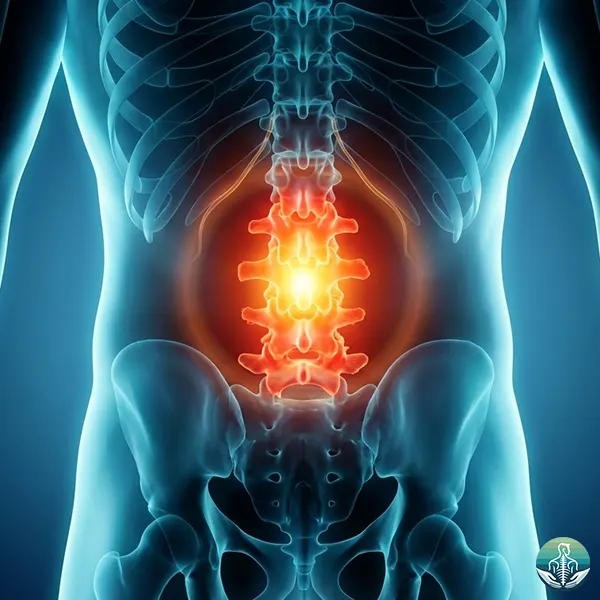
What is vertebral compression?
Vertebral compression is a partial fracture/collapse of the vertebral body (often in the thoracic or lumbar vertebrae), and may lead to:
- acute or chronic back pain
- Increased curvature of the spine (kyphosis) over time
- Weakness in movement and avoidance of standing
- Muscle strain around the affected area
When do you need physical therapy after spinal compression?
Persistent back pain after a fall or sudden movement
Difficulty bending, standing, or sitting down
Noticeable stiffness in the back
General weakness due to lack of movement
Fear of movement due to pain
Increased hunching or poor posture after injury
Important note: In cases of vertebral compression, we avoid any exercises or movements that may increase pressure on the vertebrae. If fever or unusual symptoms appear, a doctor or emergency room should be consulted immediately.

Goals of physiotherapy:
- Gentle exercises to reduce pain and gradually improve mobility
- Strengthening core and back muscles in a safe way
- Improving balance to prevent falls, especially for the elderly.
- Teaching sleeping, sitting, and movement positions that reduce pressure on the vertebrae
- A simple home exercise program with small, gradual doses
Why is home treatment beneficial?
Because the biggest challenges of this condition occur at home:
getting out of bed, going to the bathroom, sitting on the couch, climbing stairs, and carrying things, inside the home we train you to move safely in the “same” places you face daily, and suggest simple modifications that reduce pain and increase safety.
- Complete comfort inside your home
- Faster results due to consistent commitment
- Privacy and comfortable environment
- Suitable for the elderly and those with acute injuries
- A service that reaches all areas quickly
Book now and start your recovery journey with our expert team!