
Bell's Palsy
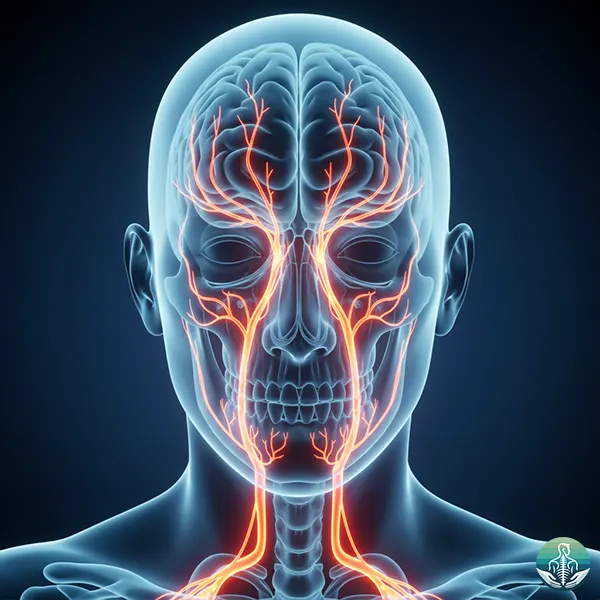
What is the seventh cranial nerve?
The seventh cranial nerve (facial nerve) is responsible for facial muscle movement such as
smiling, closing the eye, raising the eyebrow, and moving the mouth.
When this nerve becomes inflamed or affected, symptoms of weakness or paralysis on one side of the face may appear to varying degrees.
Common symptoms that may appear with the seventh cranial nerve
Weakness or sagging on one side of the face
Difficulty closing the eye or weak blinking
Difficulty smiling or moving the lips
Excessive salivation or mild difficulty eating
Light sensitivity or dry eyes
Mild pain around or behind the ear (sometimes)
Important note: We always emphasize the importance of medical follow-up, especially in the first few days.
Goals of physiotherapy:
- Facial muscle activation exercises gradually
- Exercises to improve coordination and prevent incorrect compensation
- Eye protection guidelines (very important) if the closure is weak
- Short and clear home exercises (a few minutes a day)
- Monitor progress and adjust exercises based on response.
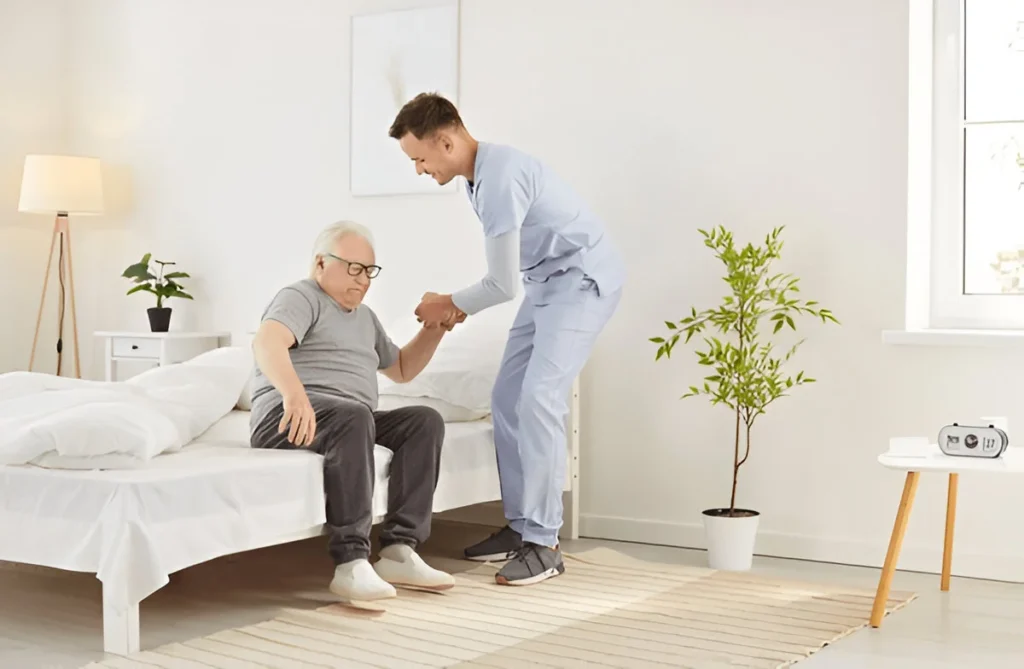
Why is home treatment beneficial?
Because you need to exercise in a comfortable and quiet environment with a mirror and simple equipment, and with continuous monitoring of your daily commitment.
At home, we provide you with clear exercises and monitor their correct execution to prevent strain or incorrect training that could increase tension or reduce coordination.
- Complete comfort inside your home
- Faster results due to consistent commitment
- Privacy and comfortable environment
- Suitable for the elderly and those with acute injuries
- A service that reaches all areas quickly
Book now and start your recovery journey with our expert team!